
Farmington, Minnesota
Water Damage Restoration in Farmington, MN
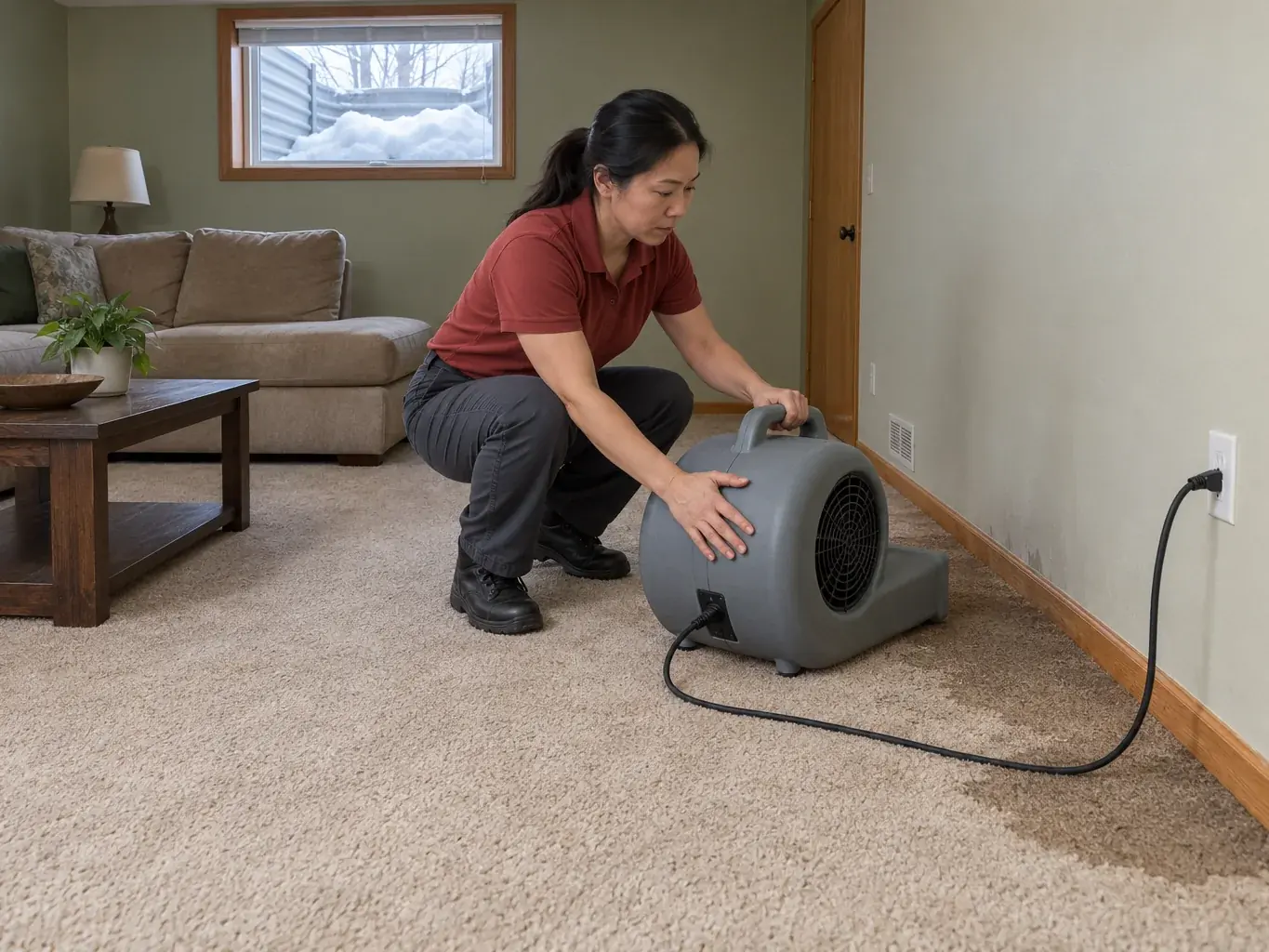
Our local water damage professionals address soaked floors, walls and ceilings in Farmington. Extracting a puddle tackles free water; measured drying reaches moisture left in the building. Call now for your technician to assess what stays and what needs replacing.
- Calls answered 24/7
- Water removal and drying
- Serving Farmington and nearby
Water Damage Services for Farmington Homes
Water damage drying in Farmington includes checking moisture beyond the visible patch. Your technician compares intact materials suitable for drying with softened drywall or swollen flooring that needs removal, while separating indoor recovery from the source repair.
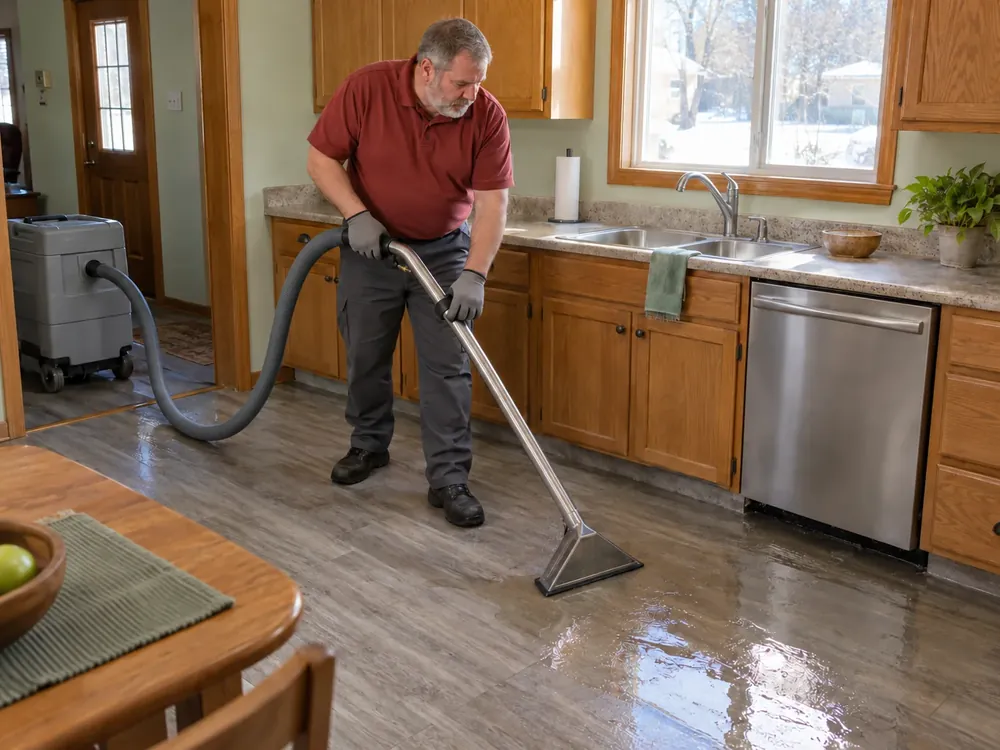 Emergency Water Removal
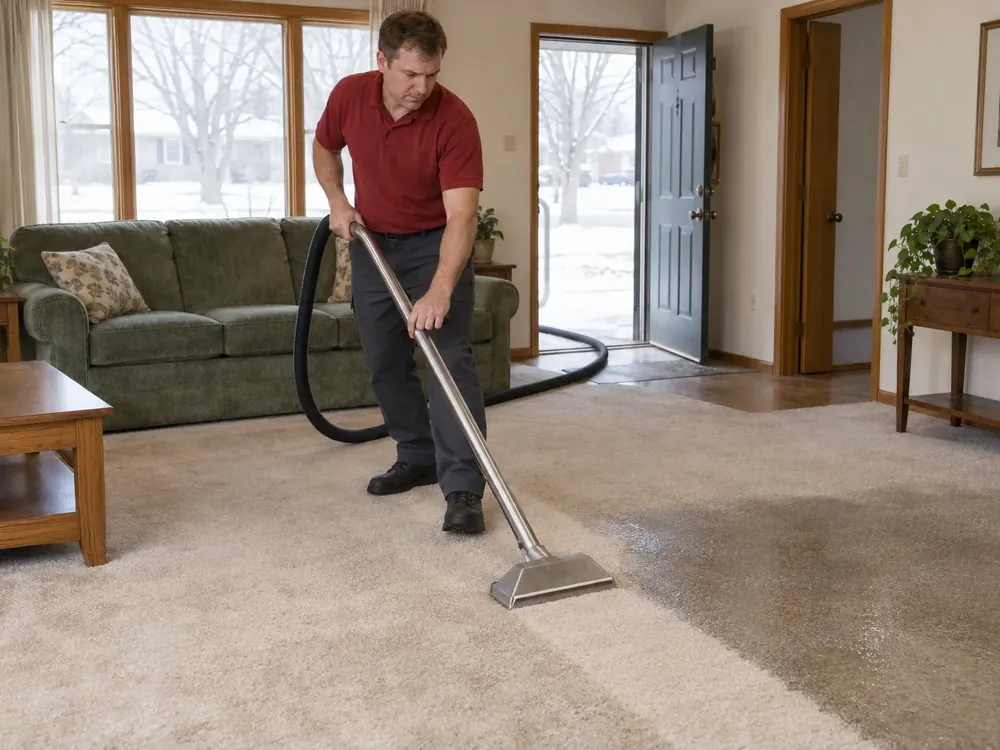 Water Extraction
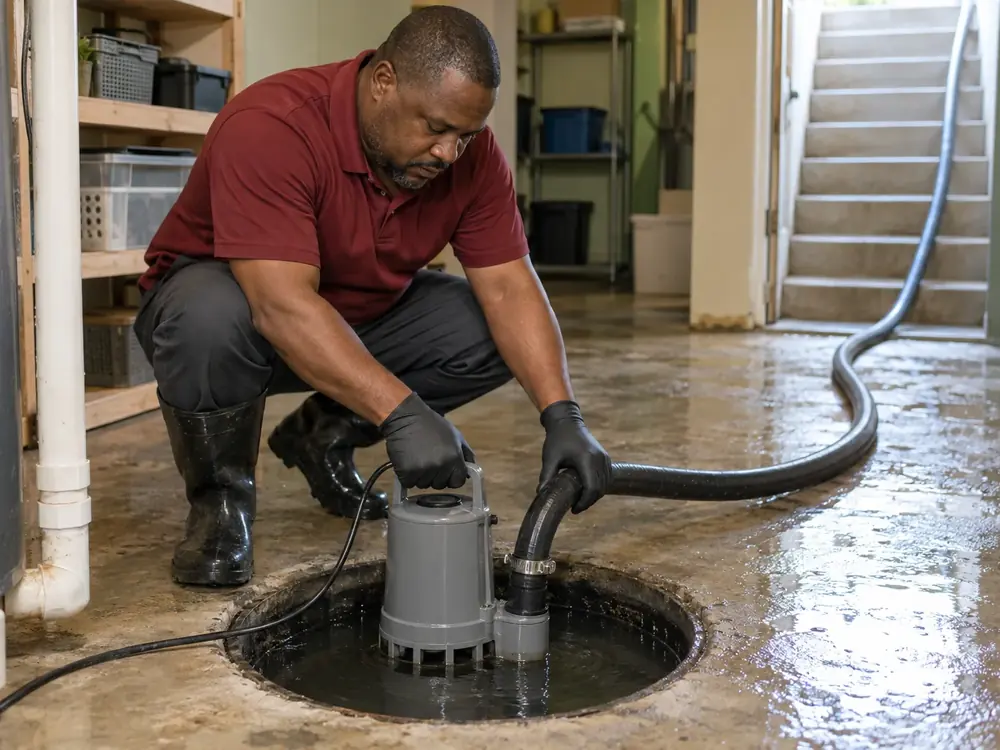 Flooded Basement Cleanup
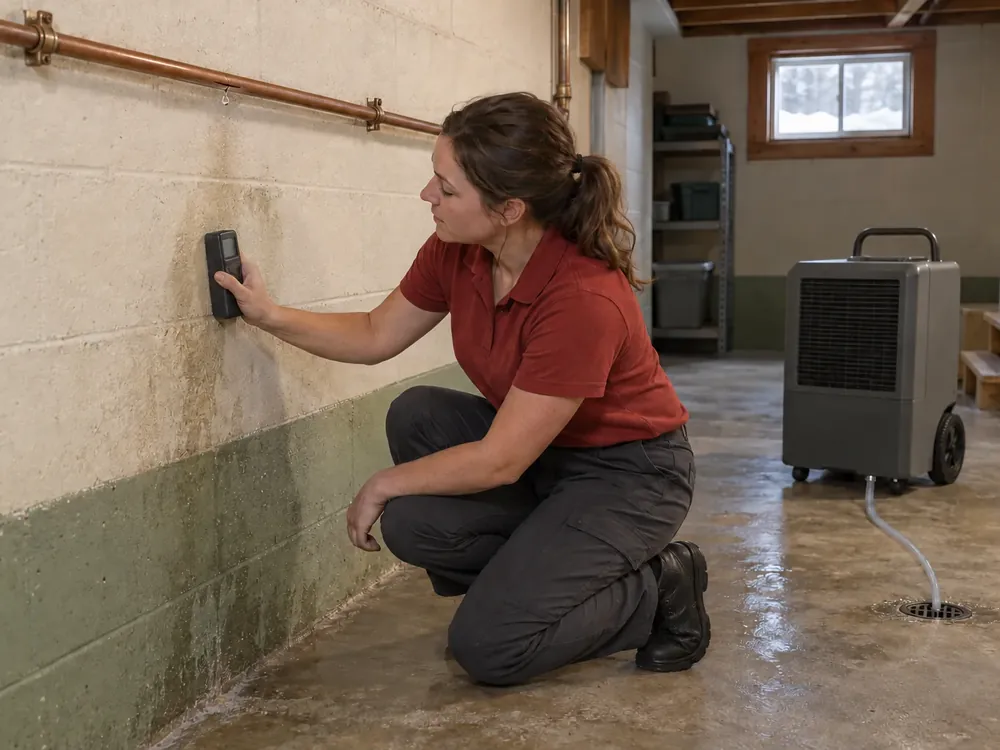 Burst & Frozen Pipe Water Damage
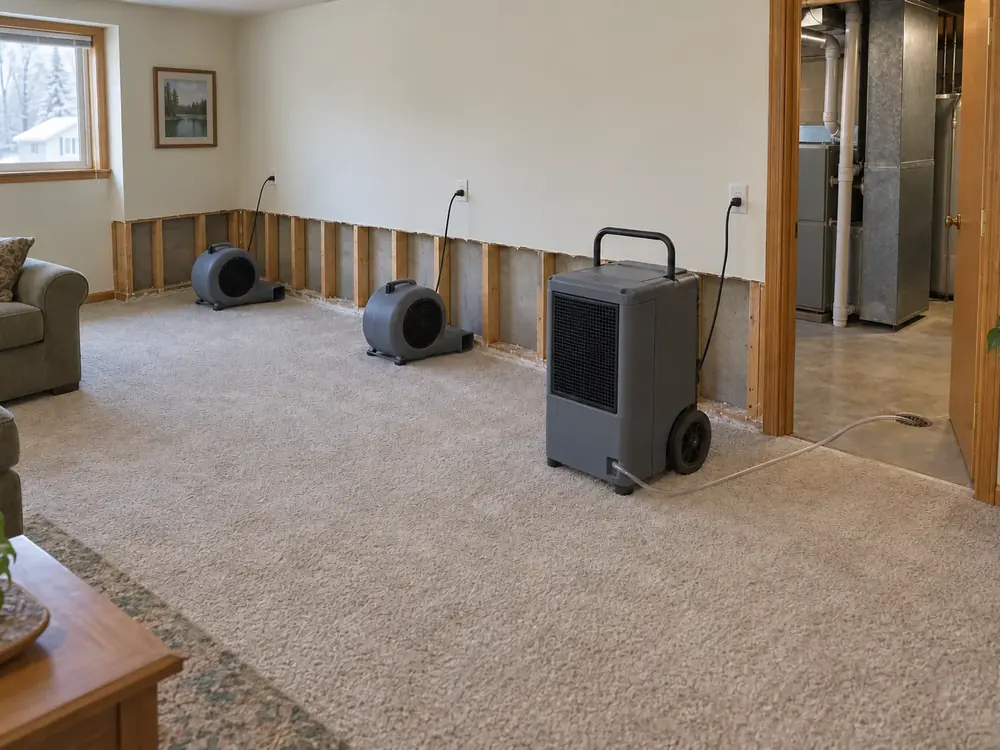 Structural Drying & Dehumidification
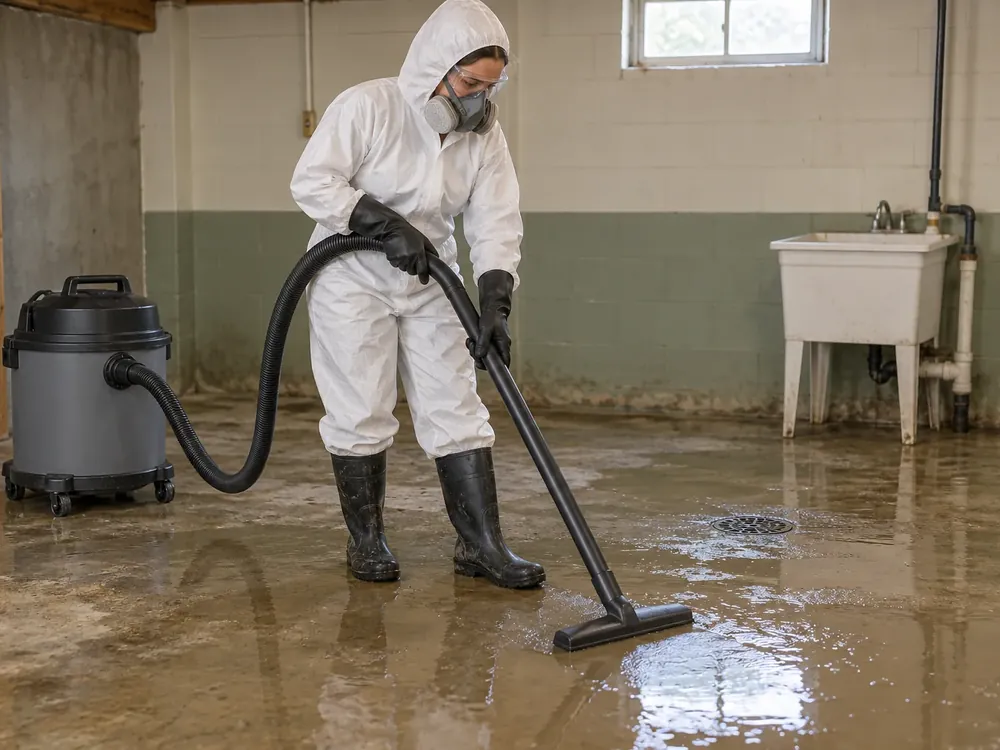 Sewage Backup Cleanup
Why Farmington Rooms Get Wet
Water reaches rooms through failed fixtures, leaking pipes, drainage problems or outside runoff. Cleanup decisions start with where it came from, how far it traveled and which materials it touched.
An appliance or supply leak may leave recoverable surfaces alongside damaged layers. For wet carpet water removal in Farmington, extraction tackles the carpet while moisture checks show whether the padding or subfloor also needs attention. Ceiling water damage in Farmington may reveal a leak overhead; keep away from sagging drywall and call rather than opening it yourself.
Water rising through a drain needs a different approach from a household spill. Farmington's sewer guidance says clear-water discharge into sanitary sewers can cause backups. Sewage backup cleanup in Farmington addresses contaminated rooms while the blockage or improper connection gets separate attention.
Runoff around a building also warrants source assessment. The city describes the Prairie Waterway as a natural stormwater collection area. That feature doesn't identify the cause inside any particular home. Your technician assesses the entry route and moisture pattern, choosing drying for sound materials and removal where their condition requires it.
Your Farmington Restoration Steps
- Call now and describe the wet areas at your Farmington address. Mention active dripping or backed-up drains without entering rooms that feel unsafe.
- Your technician checks water conditions, flooring layers and wall cavities. Farmington's sewer rules separate sump discharge from sanitary drainage, a distinction relevant when discussing the source.
- Agree on the cleanup scope and price after the assessment. Extraction begins where appropriate, with damaged layers removed and recoverable materials set up for drying.
- Readings track the remaining moisture until drying targets are reached. Review the documentation and discuss rebuilding requirements before replacement finishes go in.
Farmington Drainage and Rebuilding Considerations
Match the drain problem to the repair
Source repair and restoration solve different problems after a backup. Farmington assigns the line between a property and the city sewer main to the property owner. The city handles blockages in its main; private-line clearing needs a plumber. Call for wet-room help and report the drainage problem in parallel rather than waiting for one task to finish.
Clearing a drain removes the obstruction, while your technician evaluates contamination and moisture inside the home. A hard surface suitable for cleaning may stay; absorbent layers exposed to wastewater need a different assessment.
Water Damage Repair in Farmington, MN
Repair follows decisions about which finishes remain sound and which damaged layers need replacement. Farmington requires permits for repairs and alterations regulated by the State Building Code. The Building Inspections office answers questions about the proposed work. Discuss permit needs as part of planning reconstruction, before regulated repairs begin; permit research isn't a prerequisite for calling about wet rooms.
Drying intact materials and rebuilding removed layers are distinct scopes. Your technician's moisture records help explain why a cavity is ready for closing or still needs drying, while the repair plan identifies replacement materials and any required inspections.
Neighborhoods We Serve in Farmington
Farmington neighborhoods include Dakota County Estates, Mystic Meadows and Vermillion Grove, listed in the local subdivision directory. Tell the person answering your call which rooms are wet and whether you see ongoing water. Your technician makes drying and removal decisions from the home's condition and moisture readings.
Also serving near Farmington:
Farmington Water Damage Restoration Answers
Is the phone answered for emergency water removal in Farmington overnight?
The phone is answered 24/7 for water damage calls, including overnight. Describe what's happening now, whether it's an active leak or water already pooled on the floor. Your technician assesses extraction and drying needs. Stay away from wet electrical areas, and shut off a leaking water supply only if you can reach the valve safely.
Which conditions change restoration costs in Farmington?
Restoration costs change with contamination, the depth of wet materials, access and the extent of replacement. Farmington's building guidance requires permits for regulated repair work, so reconstruction needs its own defined scope. Compare drying an intact wall with removing and rebuilding damaged layers; your technician explains the proposed tasks and price before cleanup begins.
Is there a set drying time for walls and floors?
Walls and floors need drying based on measured moisture, so there's no set duration for every room. A wall surface may dry while the insulation behind it remains wet. Your technician evaluates those layers and checks progress. Saving a sound finish is reasonable when drying succeeds; weakened material may require replacement instead.
Should plumbing repairs wait until water is extracted?
Active leakage or a drain blockage needs attention alongside extraction, so call for restoration now and arrange the source repair. Farmington identifies private sewer lines as the owner's responsibility. A plumber handles the obstruction while your technician assesses the wet rooms. Waiting on one job leaves the other problem unresolved.
What should restoration documentation include for my insurer?
Restoration documentation should include dated photos, moisture readings, a written description of the work and receipts. Photos show visible damage; readings record moisture that pictures miss. Ask your technician to identify which materials were retained or removed and keep a record of drying checks. Include plumbing or rebuilding receipts as separate records of those tasks.
Call now about your Farmington water damage to compare saving sound materials through drying with replacing layers that won't recover.
Call now, 24/7(507) 209-3311