
In short
- Drying time varies with material thickness, trapped moisture and access, so repeat readings determine completion rather than a fixed calendar promise.
- Sound materials exposed to clean water may suit drying, while swollen, separated or contaminated layers often need removal.
- Your technician checks flooring, cavities and retained materials before recommending replacement or closing the building back up.
What Determines Drying Time?
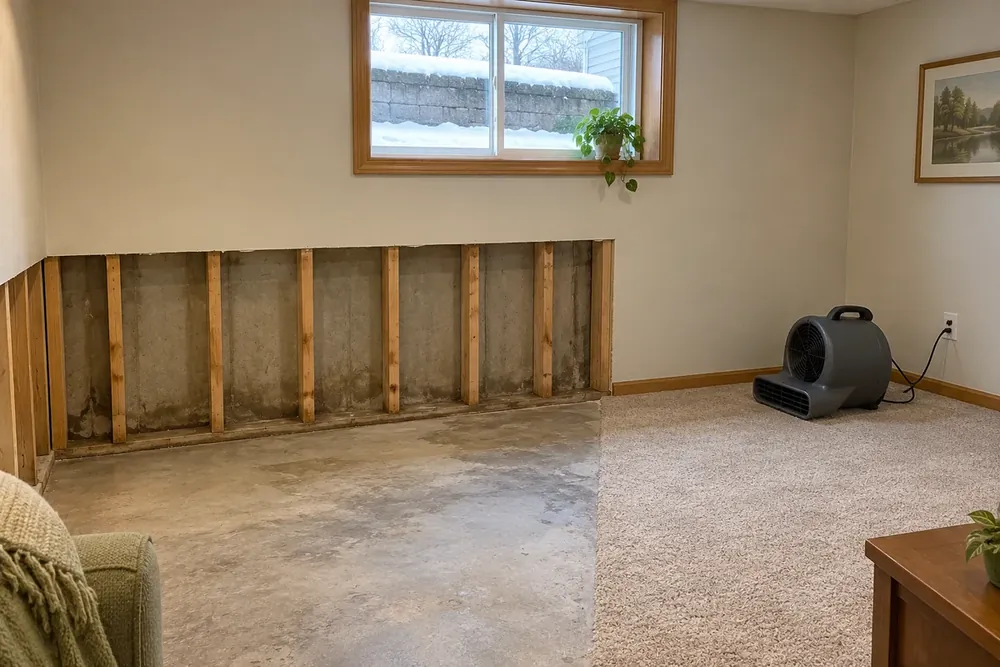
Drying time follows the moisture inside the affected materials, the access available and the way those materials respond to extraction and controlled drying. A visible surface dries differently from a layered floor or enclosed wall cavity. Your technician follows repeat readings instead of judging completion by touch.
Call now for an assessment of wet materials in your Northfield home. You don't need to decide which surfaces to save. The inspection compares retaining sound materials with removing layers that block drying or have lost their integrity.
Dry in Place or Remove and Replace?
Drying in place fits materials that remain sound, are suitable to retain and allow moisture to be removed; removal fits damaged or contaminated layers and assemblies that need access. The table describes starting points for your technician's inspection, rather than instructions to pull out materials yourself.
| Material | Usually dried in place when | Usually removed when |
|---|---|---|
| Carpet | Clean-water exposure leaves backing intact and the carpet and subfloor are dryable | Contamination or backing damage prevents suitable recovery |
| Pad | Limited clean wetting allows thorough drying beneath the carpet | Saturation, contamination or lack of access prevents effective drying |
| Hardwood | Boards remain sound and moisture beneath them is accessible | Splitting, separation or inaccessible wet layers prevent recovery |
| Laminate | Exposure is superficial and joints and core remain unchanged | The core swells, edges separate or wet underlayment needs access |
| Drywall | Clean-water exposure leaves the board firm with intact seams | Swelling, weakened seams or contamination makes retention unsuitable |
| Insulation | Inspection establishes that the insulation stayed dry | Fiberglass or cellulose insulation has become water-soaked |
| Cabinets | Sound solid wood and accessible cavities respond to drying | Composite panels swell or wet cavities require disassembly |
The choices may differ within one room. Carpet might remain while its pad is removed, or a cabinet panel might come off to expose a wet wall. Removing one layer doesn't automatically mean replacing the whole assembly.
Extraction Comes Before Controlled Drying
Extraction removes bulk water so the drying setup addresses moisture remaining in materials. Your technician checks where water traveled and whether concealed areas need access. Accessible clean-water damage calls for a different setup from contamination that requires protective measures and removal of affected layers.
Opening a cavity is a planned part of the work when necessary. Let your technician evaluate access rather than drilling walls, lifting flooring or removing insulation during the call.
Air Movement and Dehumidification Work Together
Air movement helps moisture leave accessible surfaces, while dehumidification removes moisture from the air. Neither step repairs a swollen flooring core or separates a damaged cabinet panel back into shape. Your technician adjusts the setup to the materials being retained and the readings taken during monitoring.
Keep equipment running as directed and discuss any interruption with your technician. Moving a unit to make the room quieter or closing an opening may change the intended drying conditions.
Moisture Readings Decide When Drying Is Done
Drying is complete when checks show that retained materials meet the drying goals established for the affected assembly. Your technician compares readings over time and, where appropriate, with similar unaffected materials. A wall surface, the framing behind it and the subfloor may require separate checks.
If readings stall, the next choice may be better access or removal of a layer rather than simply more equipment time. Ask which materials were checked and why the final readings support stopping the drying setup.
Rebuild After the Drying Check
Rebuilding follows confirmed drying conditions and the removal of materials that are unsuitable to retain. Painting a damp wall or covering a wet subfloor conceals the problem without resolving the moisture. Keep the moisture record and written scope with your repair paperwork. Compare the work involved in the water damage cleanup cost guide while your technician explains the proposed repairs.