
Northfield and nearby
Flood Cleanup in Northfield, MN
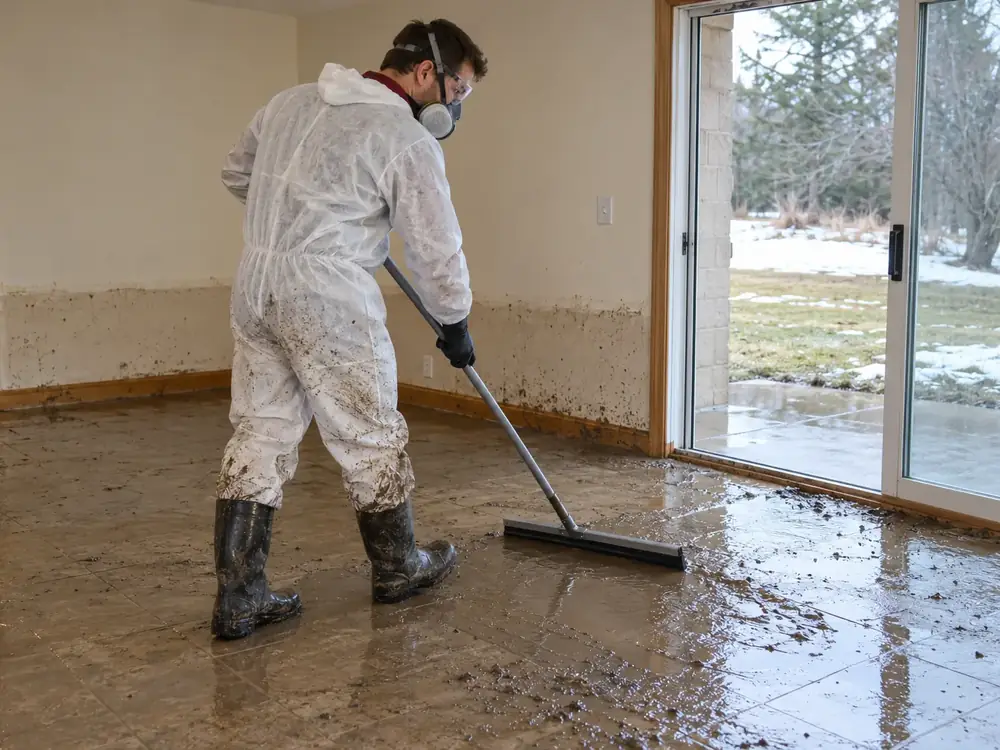
Our local water damage professionals remove floodwater, clear mud and dry retained materials in Northfield. Outdoor water calls for contamination cleanup rather than pumping alone; call now and your technician will assess which hard surfaces need cleaning and which soaked finishes need removal.
- Calls answered 24/7
- Water removal and drying
- Serving Northfield and nearby
Our Flood Cleanup Services in Northfield
- Outdoor water assessment: Flood damage cleanup starts with evaluating contaminated water and affected materials. The Straight River joins the Cannon in Faribault, bringing both river areas into the regional picture.
- Seasonal source checks: Rapid spring snowmelt and heavy rainfall cause flooding when water exceeds soil or river capacity. Your technician assesses the actual entry route rather than assuming every wet basement is a river flood.
- Contamination cleanup: Outdoor floodwater may carry sewage, chemicals and debris. Extraction removes standing water, while cleaning addresses contamination left on suitable surfaces.
- Mud and silt removal: Deposits are cleared from accessible floors and surfaces before drying retained materials. Flood-soaked absorbent finishes are assessed for removal instead of being dried over trapped sediment.
- Drying and records: Once water recedes and access is safe, drying proceeds with moisture checks. Photos, readings and the written scope support documentation questions for your insurer, with receipts kept alongside those records.
Signs You Need Flood Cleanup
- Outdoor water entering a room: Call for assessment when runoff crosses a doorway or spreads across the floor.
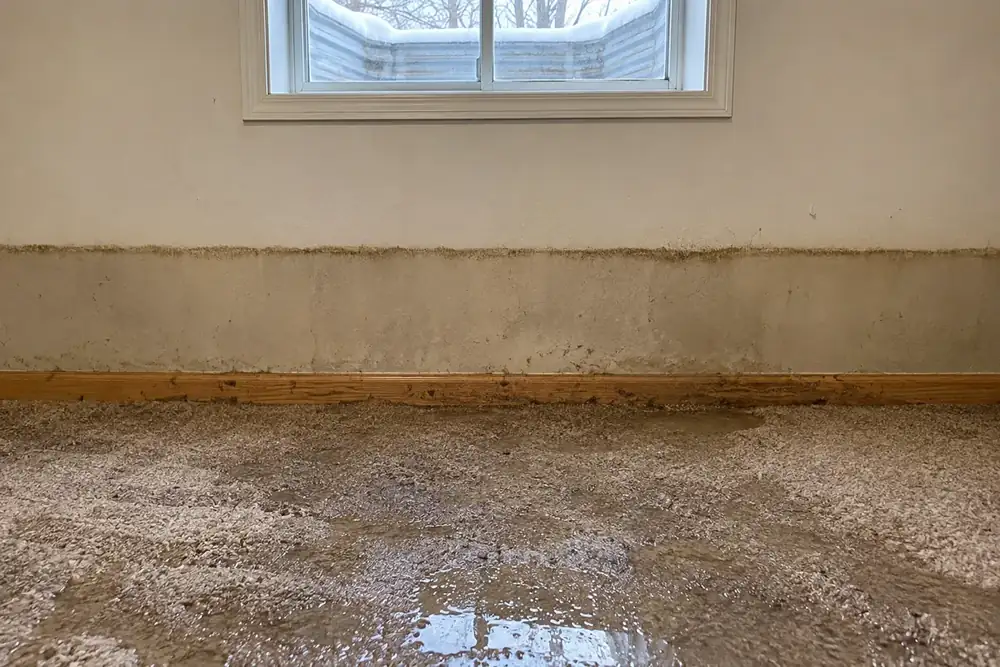
- A muddy wall line: A visible line shows where water reached, but your technician checks adjoining materials for moisture beyond it.
- Silt beneath belongings: Deposits under furniture or boxes need cleanup, even after standing water drains away.
- Swollen lower wall finishes: Soft drywall or lifting flooring calls for a retain-or-remove assessment rather than cosmetic patching.
- Wet layers after pumping: Damp flooring edges and wall cavities need drying checks; an empty floor does not establish that the room is dry.
Pump Out Water or Complete the Cleanup
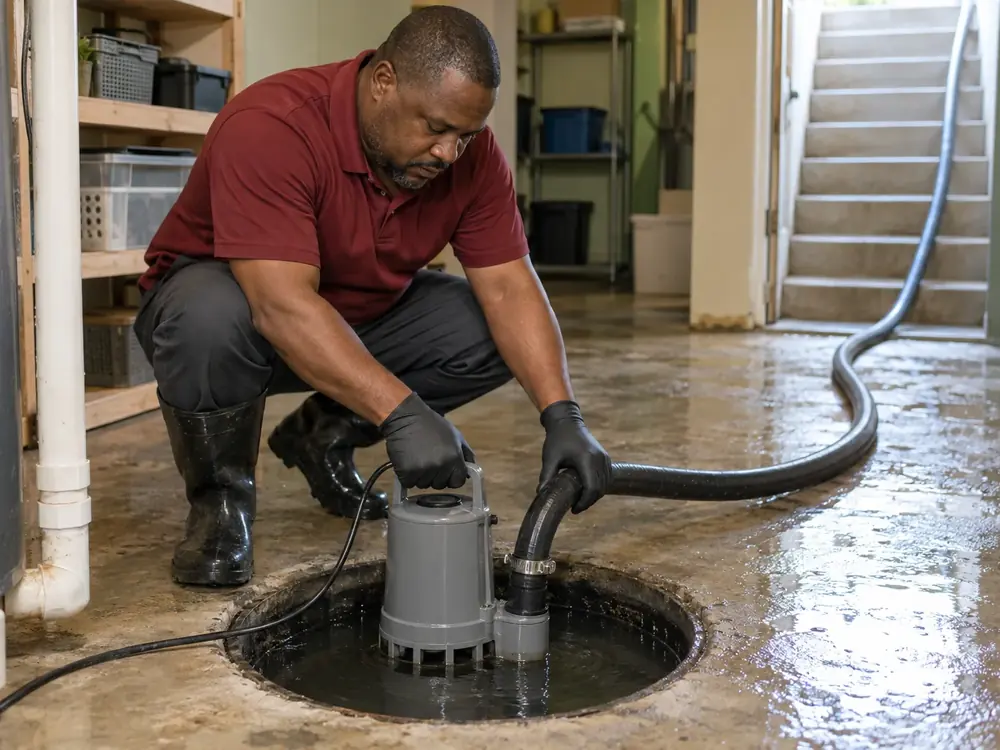
Pumping addresses standing water, while contamination cleanup and monitored drying address what remains inside the building.
| Option | When it fits | What it involves |
|---|---|---|
| Extract standing water | Access is safe and water remains indoors | Remove pooled water, assess incoming flow and identify deposits left on exposed surfaces. |
| Clean retained hard surfaces | Tile, concrete or other suitable surfaces remain sound | Clear mud and silt, clean contamination and assess adjoining layers for trapped moisture. |
| Remove flooded absorbent finishes | Soaked drywall, padding or insulation cannot be safely retained | Remove affected finishes, expose wet cavities and dry suitable remaining structural materials. |
| Continue monitored drying | Cleanup is complete but retained materials still hold moisture | Adjust airflow and dehumidification using repeated checks rather than the appearance of the floor. |
Your technician selects the approach on site from moisture readings, contamination and the condition of each material.
Our Flood Cleanup Process
- Call about the flood now. Explain whether outdoor water is still entering and which rooms are affected without entering unsafe spaces to gather details.
- Your technician assesses safe access, contamination and wet materials. Standing-water extraction and later drying are planned as distinct stages, with retained and removed materials identified.
- Accessible water, mud and silt are removed, suitable surfaces are cleaned, and damaged absorbent finishes are taken out. Drying follows when water has receded and conditions allow safe work.
- Moisture readings track retained framing and other materials through drying. The final record identifies the remaining repair scope rather than treating a visibly clean floor as proof of completion.
What Affects Flood Cleanup Cost in Northfield
Flood cleanup pricing reflects the amount of water, sediment, affected finishes and drying work required.
- Water and access: Depth, continuing entry and safe access influence extraction work.
- Contamination and sediment: Mud deposits require more cleaning than water removal alone.
- Material losses: Discarding flooded absorbent finishes differs from cleaning retained hard surfaces.
- Drying scope: Moisture inside cavities and layered assemblies adds monitoring and equipment time.
Before cleanup begins, one of our local water damage partners will review the work proposed for your rooms and the price. The cleanup cost factors explain why pumping, drying and replacement should be distinguished in the scope.
Why Choose Northfield Water Removal After a Flood
- Calls answered 24/7: Start the cleanup conversation while the damage is unfolding, from a location where you are safe.
- Assessment of local homes: Your technician checks the water's entry path and affected materials instead of assuming every basement needs the same approach.
- Clear choices and pricing: Extraction, cleaning, drying and replacement needs are explained with the proposed price before work begins.
- Records you can keep: Dated photos, readings and the written scope document the damage and drying stages for your insurance paperwork.
Flood Damage and Your Insurance Paperwork
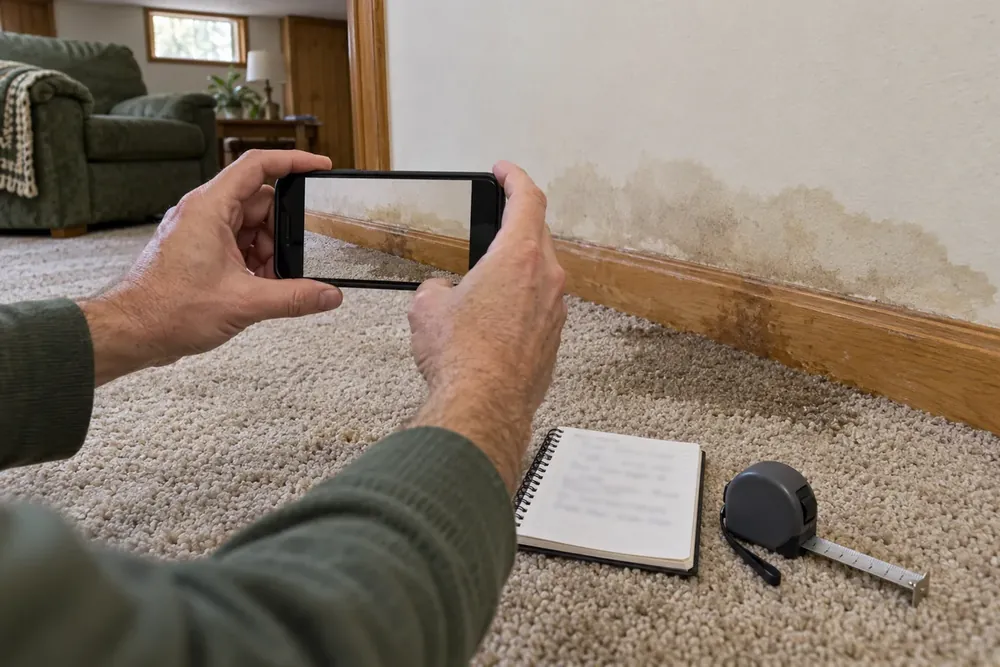
Photos, moisture readings, a written scope and receipts create a record of flood damage and the cleanup work.
- Photograph visible damage from a safe location; keep broad room views alongside details of affected finishes.
- Keep dated moisture readings and the written explanation of retained versus removed materials together.
- Save cleanup receipts separately from plumbing or replacement receipts so each task is identifiable.
Keep photos, moisture readings, the written scope and receipts together for your insurance paperwork. The water damage paperwork checklist helps organize those records.
Stay Safe While Flood Cleanup Is Arranged
Stay out of floodwater and call now from a safe location to discuss cleanup.
- Avoid walking or driving across flooded roads; the floodwater safety advice addresses floodwater that may sweep people or vehicles away.
- Keep children out of flooded areas, following the floodwater contact precautions rather than letting them help collect wet belongings.
- Leave wet electrical equipment alone and shut off electricity only when safely accessible, as described in the electrical precautions.
- Run a fuel-powered generator outdoors, more than 20 feet from windows, doors and vents; the power-outage precautions explain the carbon monoxide hazard from enclosed operation.
Sources (checked October 8, 2026):
Related water damage services
 Flooded Basement Cleanup
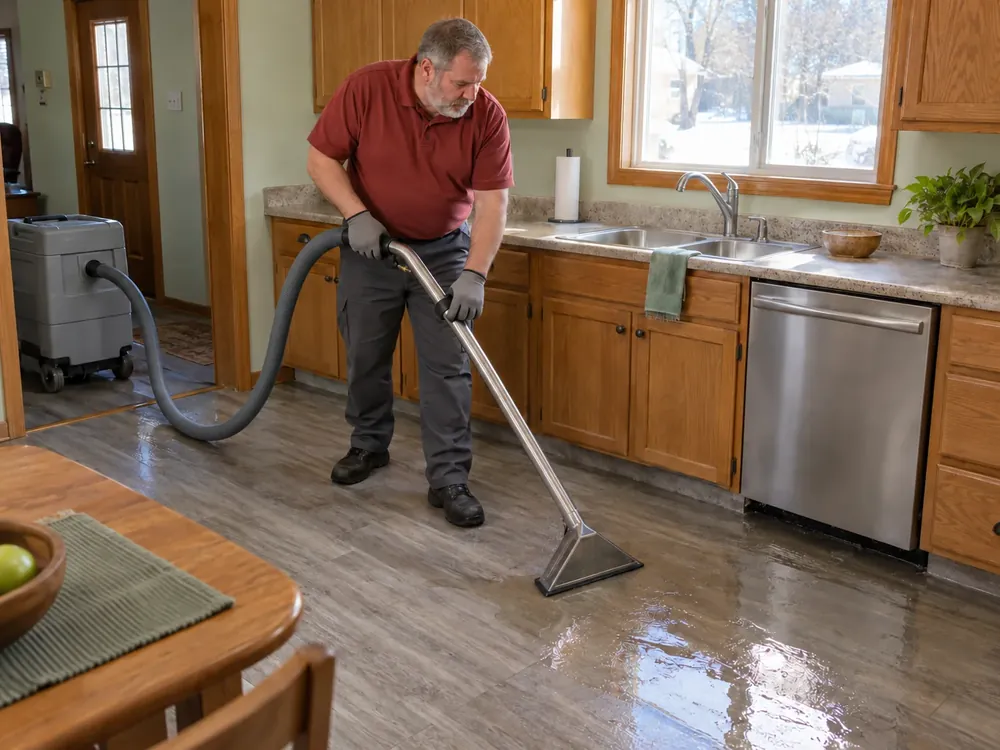 Emergency Water Removal
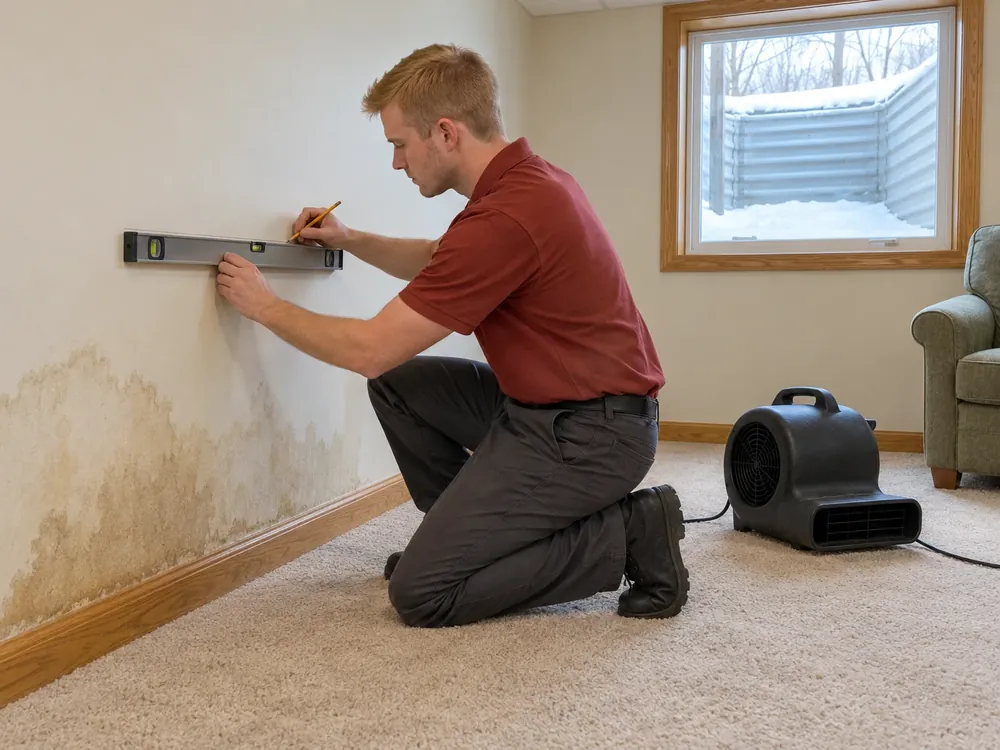 Drywall & Wall Water Damage
Areas We Serve Around Northfield
Flood cleanup reaches Northfield and nearby Faribault and Lakeville, with cleaning planned for retained surfaces and removal assessed for soaked absorbent finishes.
Flood Cleanup Questions for Northfield Homes
What does flood restoration near me include in Northfield?
Flood restoration starts with water and contamination assessment, followed by extraction, cleaning and drying of suitable retained materials. Absorbent finishes affected by outdoor floodwater may need removal instead. Your technician checks the rooms and explains the cleanup scope; replacing damaged finishes is a separate stage after the remaining structure is ready.
How do flood cleanup services differ from pumping alone?
Flood cleanup services address mud, contaminated surfaces and wet building materials as well as pooled water. Pumping leaves those tasks unfinished. Hard surfaces may be cleaned and dried, while flood-soaked absorbent finishes need a removal assessment. Call for a flood cleanup service now even when the visible water has already drained away.
Should I arrange flood damage repair near me while the walls are wet?
Arrange an assessment now, with finish repairs planned after contamination cleanup and drying checks. Replacing drywall immediately may hide wet framing or insulation; removing affected finishes first exposes materials that need attention. Your technician uses readings to assess drying progress and identify the repair scope rather than choosing a rebuilding date from appearances.
How should I prepare a flooded house for cleanup?
Call now from a safe place and leave hazardous areas undisturbed. If photographs are possible without entering floodwater, they help document the damage; if access is unsafe, leave the inspection to your technician. Retained materials need assessment before cleaning, while contaminated absorbent items need removal decisions rather than being carried through unaffected rooms.
Should flood cleanup near me wait until the Cannon River recedes?
Call now; work in affected spaces proceeds when access and water conditions are safe. Water movement matters alongside indoor damage. Your technician distinguishes accessible extraction from drying that follows receding water and contamination cleanup, without asking you to enter the flooded rooms.
Call now for Northfield flood cleanup and a plan that separates water extraction, contamination cleanup and drying of retained materials.
Call now, 24/7(507) 209-3311