
In short
- Call now from a safe place, staying out of water near electrical equipment and away from unstable ceilings.
- Close an accessible main water shutoff if safe, while leaving pipe repair and hidden moisture assessment to the appropriate professionals.
- Move valuables and take photos only from safe areas, leaving sewage and standing water cleanup to your technician.
Start the Call Now
Call now from a dry, safe location; every action below is optional when conditions make it unsafe. Tell the person answering what you already know about the water in your Northfield home. You don't need to find the source, take photos or finish moving belongings first.
Inside a flooded house, extraction removes pooled water; drying addresses moisture absorbed into building materials. Your technician checks the damage and explains which work is needed. A pipe repair or appliance repair may also be necessary to stop the source.
1. Keep Clear of Electricity and Unstable Materials
Stay out of standing water when outlets, cords or electrical equipment may be affected. Don't enter water to reach a breaker panel, unplug an appliance or retrieve a phone. If power needs to be disconnected, have the utility or an electrician handle an unsafe shutoff.
Choose a dry exit over walking through a wet room. Stay away from sagging ceilings and areas with visible structural damage. Contact emergency services for immediate danger, and make the cleanup call from a safe location.
2. Shut Off Accessible Water Without Taking a Risk
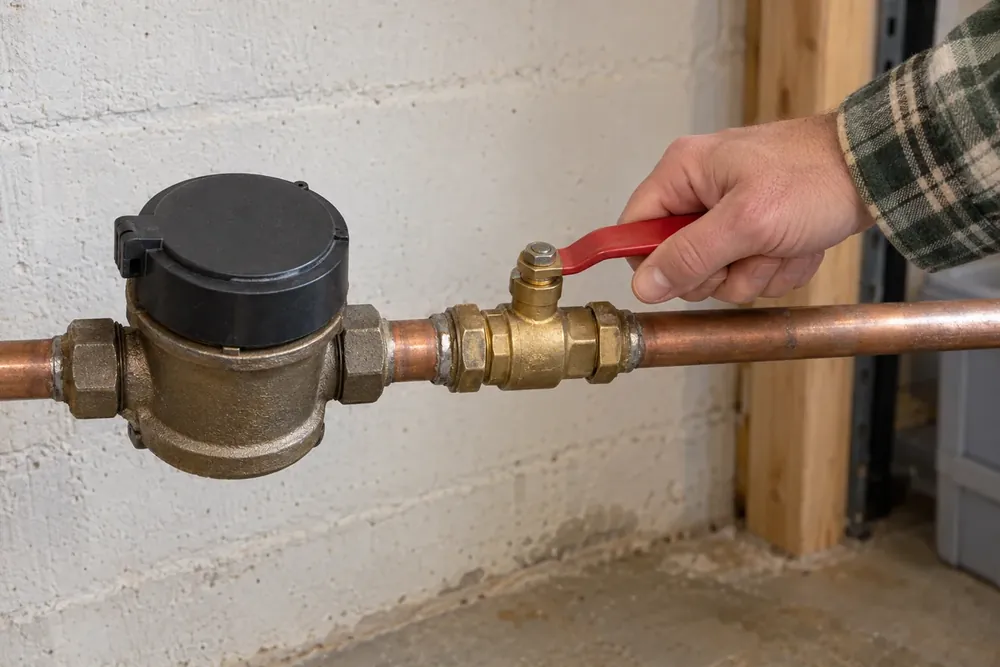
Close the main water shutoff for an active plumbing leak only when the valve is safely accessible. If you know where it is and the route is dry, closing it limits the supply of escaping water. If you would need to cross a flooded area, leave the valve alone.
Tell the person answering whether water is still flowing. Your technician assesses the wet building materials while the plumbing repair addresses the pipe itself. Neither job replaces the other, and you don't need to complete the shutoff before calling.
3. Move Valuables Only Along a Safe Route
Move small valuables to a dry area only when you avoid wet electrical equipment, contaminated water and unstable surfaces. Reachable documents on a dry shelf are different from boxes sitting in sewage or heavy furniture surrounded by water.
Leave items where they are if retrieving them introduces a hazard. Mention important belongings during the call so the assessment includes their location. You don't have to empty the room before requesting cleanup.
4. Take Photos From a Dry Position
Photos taken safely help record visible damage, affected belongings and the apparent source. A wide view shows the room; closer photos capture stains, waterlines and material changes. Keep notes about when you noticed the water and what changed afterward.
Skip photos that require entering standing water or reaching under a damaged ceiling. The record may later include your technician's moisture readings, written scope and receipts. Photographs support documentation; they don't measure moisture inside a wall.
5. Leave Risky Cleanup to Your Technician
Don't use a household vacuum on standing water or begin sewage cleanup without appropriate protection and containment. A small spill on a safe, hard surface differs from water soaked through flooring or backed up from a drain. Call for an assessment rather than deciding the cleanup method from color or smell alone.
Avoid aiming household fans at suspected sewage or contaminated floodwater. Your technician determines the water conditions, removes water with suitable equipment and checks the materials below the visible surface. For the next stage, see structural drying and dehumidification.